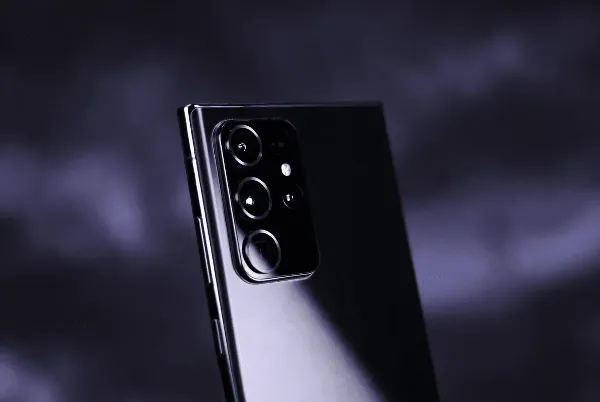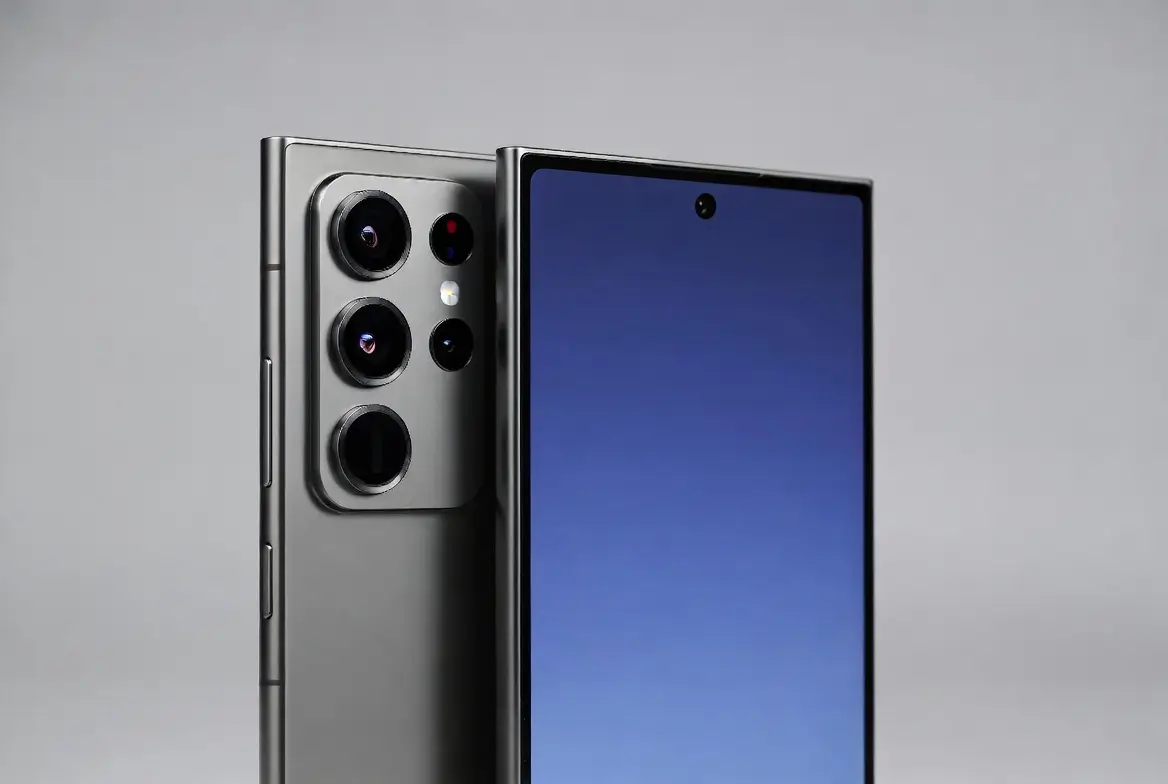
If you were hoping for a radical redesign of the Samsung Galaxy S26 Ultra, prepare to be disappointed. Leaked renders surfacing just weeks before the purported February 25, 2026 Unpacked event show a device that is virtually indistinguishable from the S25 Ultra.
The sharp corners are slightly rounded (a welcome ergonomic tweak), and the bezels are marginally thinner. But at a glance, it’s the same phone.
So, is Samsung resting on its laurels? Not quite. The real story isn't on the surface—it's buried deep inside the chassis.
The "Heat Path Block" Revolution
The most interesting leak comes from supply chain insiders regarding a new thermal management system called Heat Path Block (HPB).
As mobile chips like the Snapdragon 8 Elite Gen 5 push clock speeds past 4.5GHz, passive cooling has hit a wall. HPB technology reportedly replaces the standard vapor chamber with a solid-state thermal conduit that moves heat 3x faster than copper.
Why does this matter?
- Sustained Performance: No throttling after 15 minutes of Genshin Impact or heavy emulation.
- AI Stability: Running local agentic AI models generates massive heat bursts. HPB ensures the Neural Processing Unit (NPU) doesn't catch fire (metaphorically).
Battery: Density Over Size
Rumors also point to a 5,500mAh battery. While not quite the quantum leap we're seeing in the solid-state battery sector, it uses a new high-density silicon-carbon anode.
This allows Samsung to pack more milliamp-hours into the same physical space, keeping the phone thin while extending battery life by an estimated 12-15% over the S25 Ultra.
The Verdict (For Now)
The S26 Ultra seems to be following the "Tick-Tock" cycle of old. This uses the "Tock" year—refinement over revolution. It might be a "boring" update for flexible display enthusiasts waiting for a tri-fold, but for power users, these invisible upgrades are exactly what matters.
We will know for sure on February 25.

HapticFeed Team
Editorial Board
The collective voice of HapticFeed. A distributed group of engineers, designers, and researchers dedicated to tracking the pulse of tomorrow's technology. We write about what matters, not just what's trending.