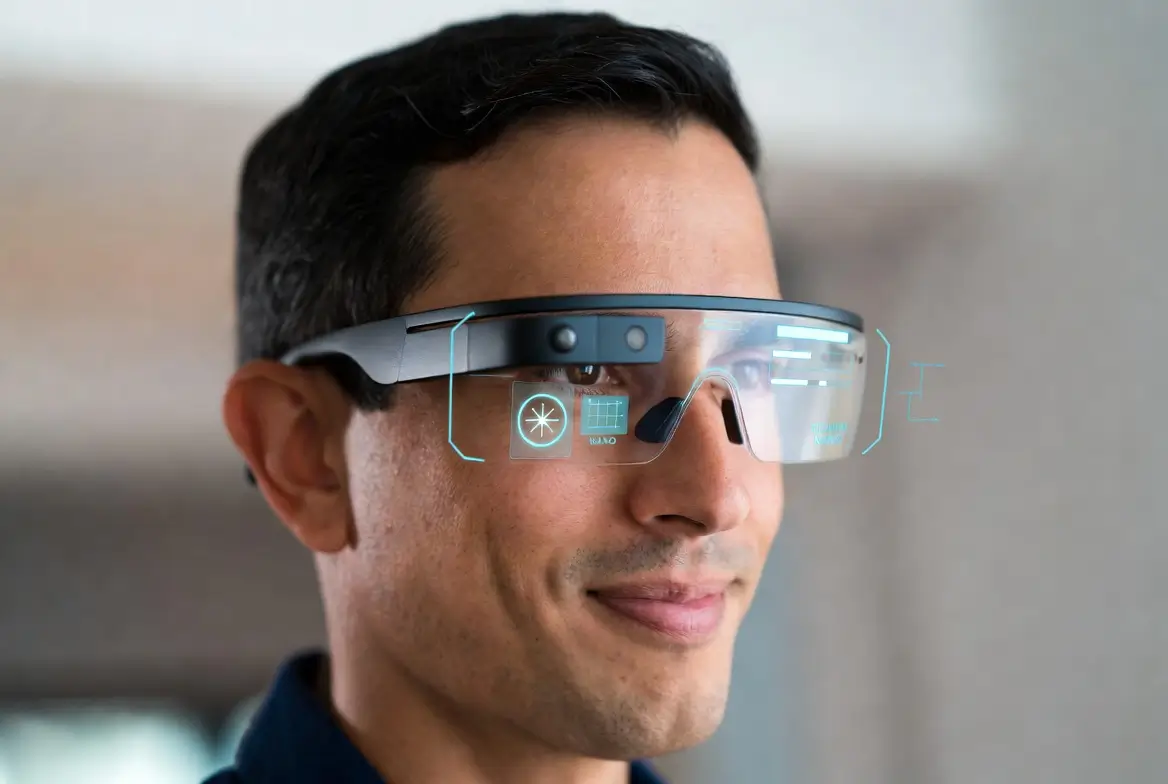
Beyond the Chatbot: Why 2026 is the Year of "Agentic AI"
If you have looked at a tech news feed in the last forty-eight hours, you have likely noticed a shift in the conversation. For the past few years, the world was obsessed with Generative AI—machines that could write poetry, debug code, or create surreal images from a simple prompt. But as we settle into 2026, the search trends and headlines are pointing toward a new, more profound evolution: Agentic AI.
This week, "Agentic AI" and "Autonomous Agents" have surged to the top of search queries, largely driven by major announcements from industry leaders and a growing realization that our digital assistants are finally learning to do more than just talk.
From Conversation to Action
The core reason for this surge in interest is a fundamental change in utility. Until recently, using an AI meant asking a question and receiving an answer. You still had to take that answer and execute the task yourself. Agentic AI bridges that gap. These systems are designed to perceive their environment, reason through complex workflows, and execute tasks without constant human hand-holding.
For instance, instead of asking a bot to "write an itinerary for a trip to Tokyo," 2026’s Agentic systems are being designed to book the flights, reserve the hotels based on your budget preferences, and sync the schedule to your calendar—all with a single authorization. The viral interest we are seeing today stems from the release of new enterprise tools that claim to automate nearly 70% of routine office workflows, a promise that is equal parts exciting and anxiety-inducing.
The Hardware to Match: The "S26" Effect
This software revolution is arriving alongside new hardware specifically built to secure it. The current buzz around the upcoming Samsung Galaxy S26 Ultra—leaked heavily over the last few days—highlights this synergy. The most searched feature isn't just the camera; it is the new "Privacy Screen" and dedicated AI-security chips.
As we hand over more autonomy to our devices, security has become paramount. Search volume for "AI identity checks" and "biometric security" has spiked alongside these hardware leaks. Users are realizing that if their phone is going to spend money and sign contracts on their behalf, it needs to be unmistakably certain of who is holding it. Google’s rollout of stricter "Identity Check" features this week confirms that the industry is racing to build guardrails for this new agentic era.
The Economic Reality
It is impossible to discuss this tech trend without acknowledging the stark economic context that is driving search traffic. The trending news of Amazon’s significant workforce reduction this week is inextricably linked to the rise of these autonomous technologies.
The "efficiency" that Agentic AI promises to corporations is translating into real-world anxiety about job security, driving massive search volume for terms like "future of work," "AI-proofing careers," and "reskilling." The fascination with this technology is dual-edged: people are searching to find out how it will make their lives easier, but also to understand how it might replace their current tasks.
Conclusion
We are currently witnessing the moment where AI graduates from a passive creative partner to an active digital employee. While the gadgets like the Galaxy S26 provide the flash and excitement, the real story of early 2026 is the software running inside them. Agentic AI is no longer a futuristic concept; it is the practical, messy, and transformative reality of the present day.