Mobile World Congress (MWC) is usually a parade of incremental upgrades—slightly faster chips, slightly brighter screens. But every few years, things get weird.
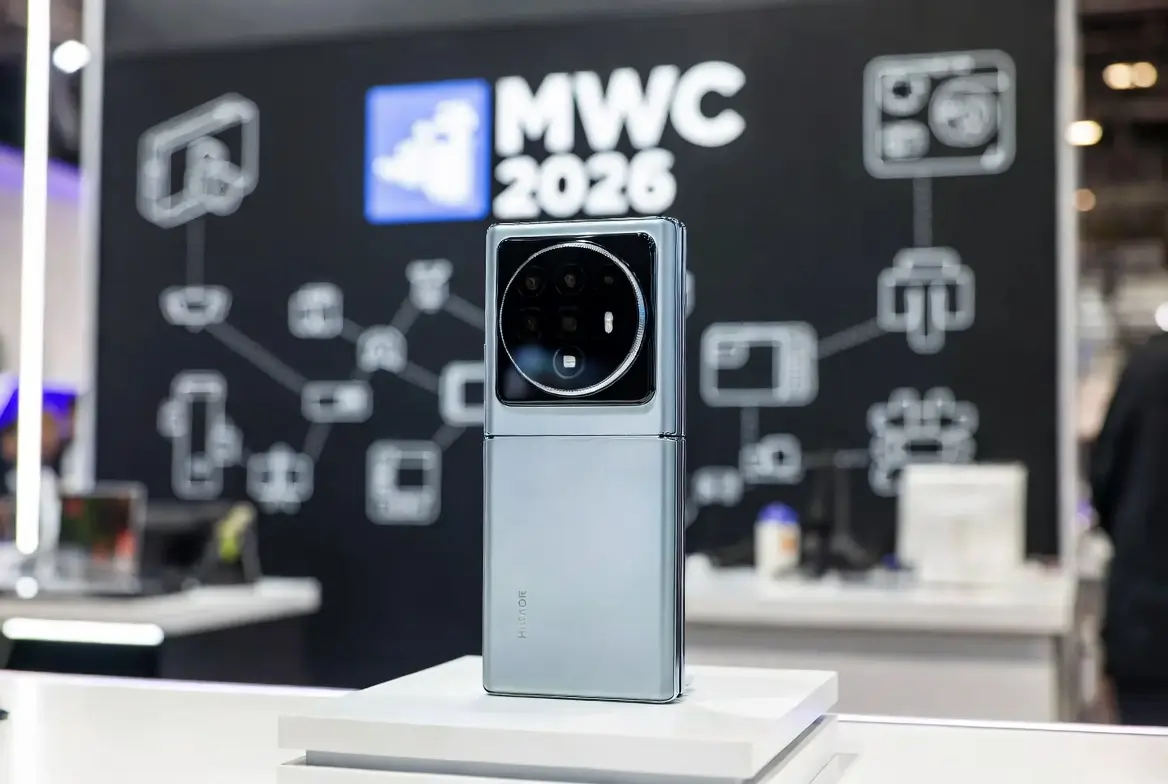
Honor has confirmed they are bringing something genuinely unhinged to Barcelona on March 2nd: a smartphone equipped with an articulated robotic arm.
Alongside the expected Magic V6 foldable, this "Robot Phone" concept is grabbing headlines. But beyond the shock value, does it actually solve a problem?
The Hardware: Snapdragon 8 Elite Gen 5 Meets... Hydraulics?
Details are scarce, but leaks and teaser images point to a device that integrates a micro-gimbal system directly into the chassis. Unlike external gimbals (RIP DJI Osmo Mobile relevance), this arm seemingly extends from the rear camera module, allowing for:
- Autonomous Tracking: The phone can stand on a table and physically pan/tilt to follow you around the room.
- Stabilization: True mechanical stabilization that far exceeds OIS or EIS.
- Multi-Angle Shooting: Getting those low-angle shots without lying on the floor.
Powered by the Snapdragon 8 Elite Gen 5, the AI processing required to drive these motors in real-time is theoretically there. The chip's NPU handling computer vision data to drive mechanical servos is a "physical AI" implementation we haven't seen in a phone before.
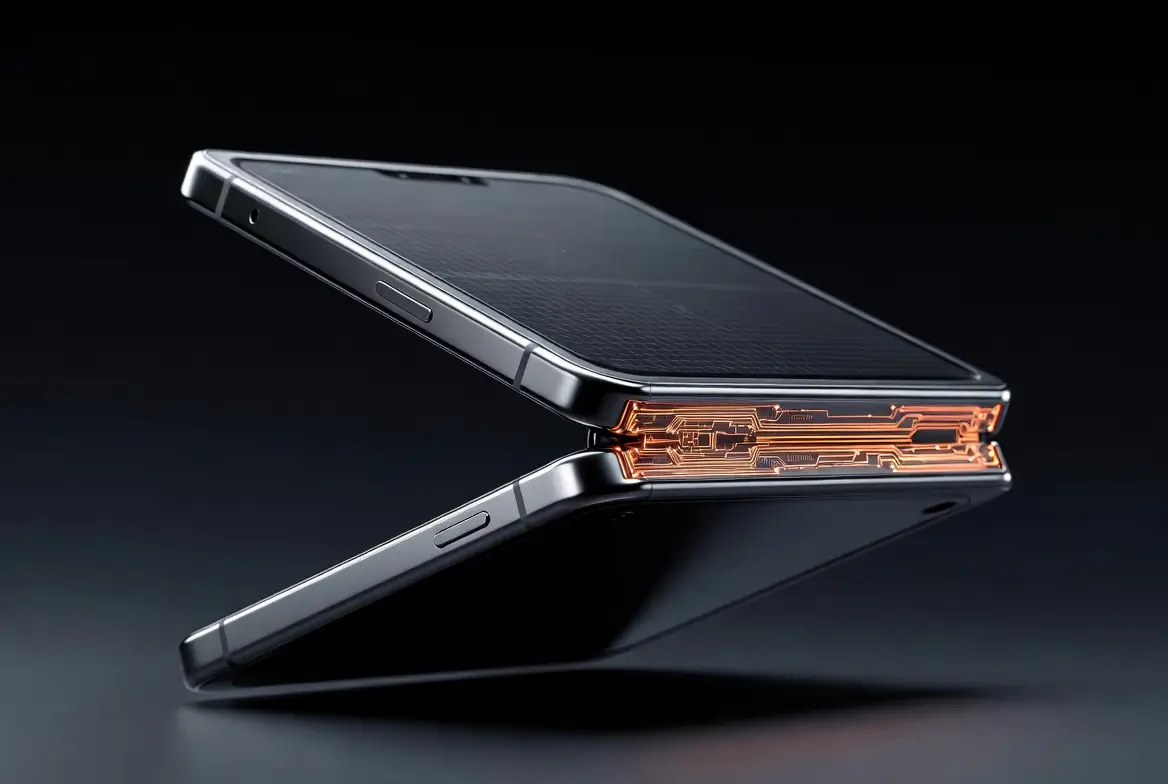
The Magic V6: The Real Flagship
While the robot phone might be a concept, the Magic V6 is the commercial heavyweight.
- Thinner: Rumored to be under 9mm folded (approaching standard slab thickness).
- Battery: A massive 6,000mAh silicon-carbon cell.
- Screens: Tandem OLED panels boosting brightness to 5000 nits peak.
Honor is clearly positioning the V6 as the "no compromises" foldable, while the Robot Phone serves as the halo product to prove they are innovating.
Gimmick or Genius?
Is a robot arm on a phone practical? No.
- Durability: Moving parts break.
- Bulk: Motors add weight and thickness.
- Battery Drain: Physical movement consumes far more power than digital processing.
But is it necessary? Yes. The smartphone market has been stagnant. We need weird. We need "because we can." Even if this never sees a mass production run, it signals that "Physical AI"—where intelligence interacts with the real world—is bleeding down from humanoid robots into consumer electronics.
For creators who essentially live in front of a camera, having an autonomous cameraman in your pocket is the dream. Honor might just be crazy enough to try and build it.
See also: Tesla Optimus Gen 3 Mass Production, iPhone Fold Leaks

HapticFeed Team
Editorial Board
The collective voice of HapticFeed. A distributed group of engineers, designers, and researchers dedicated to tracking the pulse of tomorrow's technology. We write about what matters, not just what's trending.