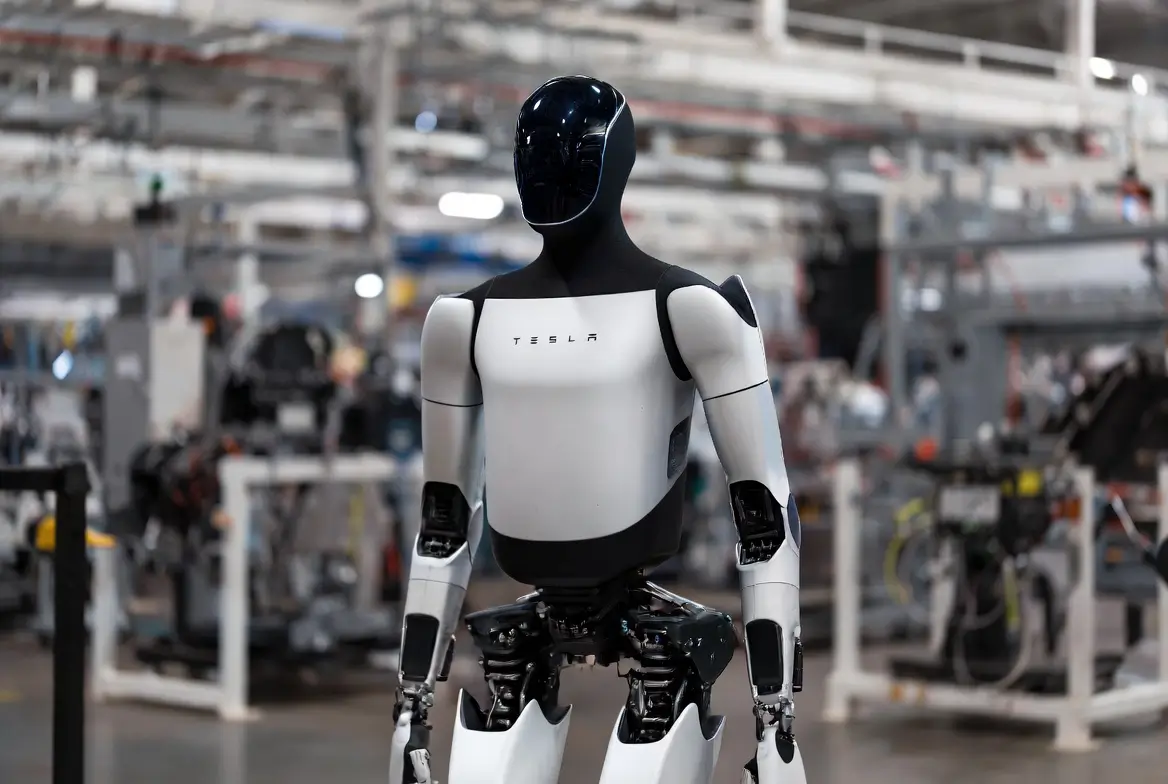
The transition from prototype to production is the hardest part of any hardware journey. For Tesla's Optimus, that rubicon was officially crossed on January 21, 2026.
At HapticFeed, we’ve been tracking the evolution of humanoid robotics closely. The shift we’re seeing in Fremont isn't just about a new product; it's about the birth of a million-unit-per-year robotics industry.
The Gen 3 Leap: A Mastery of Haptics
The most significant upgrade in the Gen 3 model isn't the walking speed—it's the hands. Tesla has doubled the degrees of freedom from 11 in Gen 2 to 22 in Gen 3.
Driven by specialized tendon-like cables, these hands allow for a level of tactile finesse that was previously the domain of science fiction. In our analysis, this is the first time a humanoid robot has achieved the "tactile signal density" required to handle delicate laboratory equipment or complex assembly tasks without human teleoperation.
Did you know? The Optimus Gen 3 uses a specialized version of the Tesla FSD (Full Self-Driving) neural network, effectively treating the entire world as a navigable space, just like a Tesla vehicle.
Mass Production & The Fremont Shift
Tesla has repurposed several Model S and Model X assembly lines at the Fremont plant for dedicated Optimus manufacturing. This is a clear signal of where the company's long-term value lies.
- Production Goal: 1 Million units annually by 2028.
- Target Price: Under $20,000 for the consumer version.
- External Sales: Limited fleet sales are expected to begin by late 2026.
Technical Specifications: Gen 2 vs. Gen 3
| Feature | Optimus Gen 2 | Optimus Gen 3 |
|---|---|---|
| Hands (DoF) | 11 Degrees of Freedom | 22 Degrees of Freedom |
| Weight | 125 lbs (57 kg) | 120 lbs (54 kg) |
| Battery Capacity | ~1.8 kWh | 2.3 kWh |
| Runtime | 4-5 Hours | 10-12 Hours |
| Walking Speed | 5 km/h | 8 km/h |
| Intelligence | FSD v12 adapted | Hardware 5 Robot Brain |
The Mars Mission: 2026
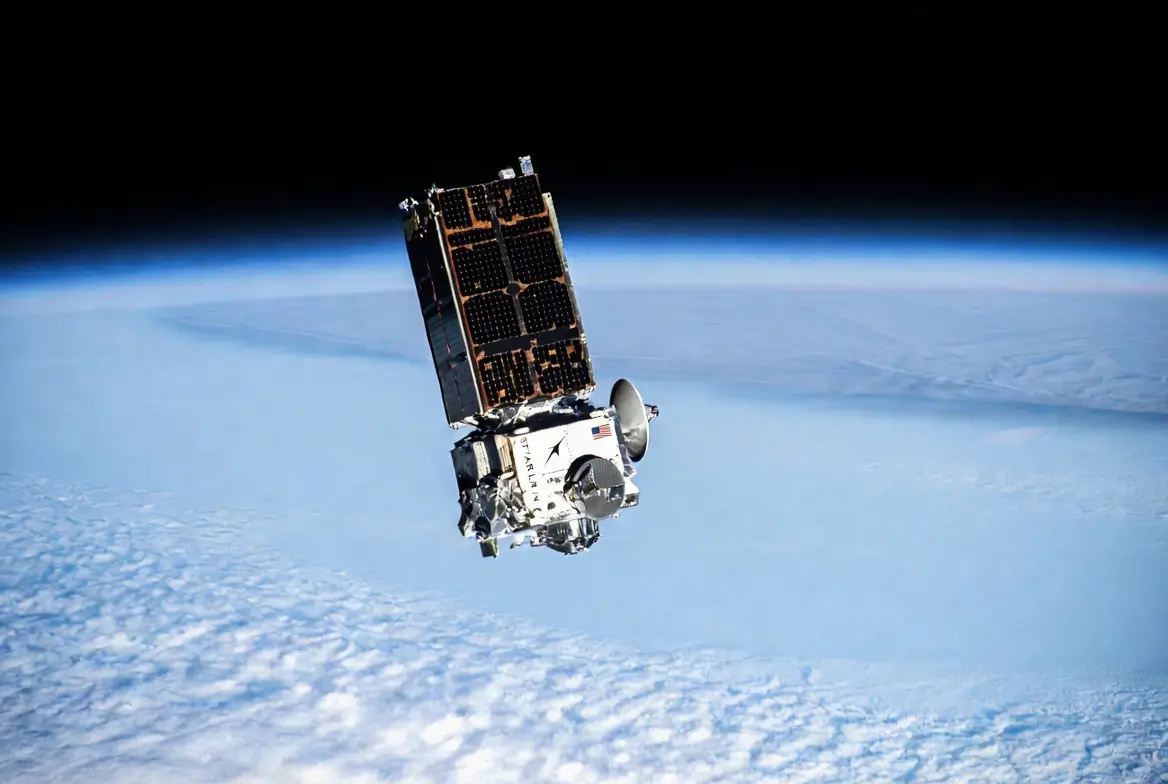
Elon Musk has set an ambitious internal deadline to put an Optimus robot on a Starship bound for Mars within the 2026 window. While critics call it a marketing stunt, the engineers at SpaceX and Tesla see it as the ultimate stress test for autonomous robotics in unstructured environments.
The Verdict
The Optimus Gen 3 represents a fundamental shift in the global labor economy. By bringing the cost of a humanoid robot below that of a compact car, Tesla is making "General Purpose Robotics" accessible to small-scale manufacturing and, eventually, households.
Stay tuned as we continue to track the firmware updates and production milestones of the world's most advanced humanoid.