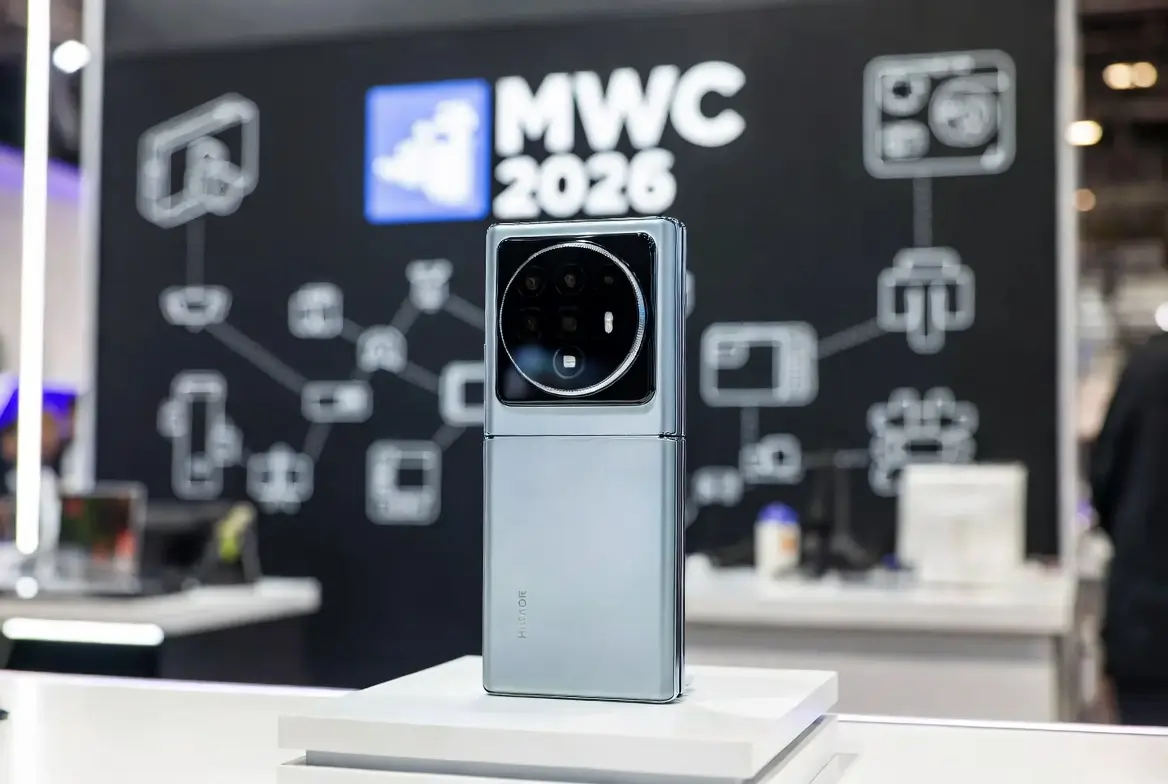
The dream of a folding iPhone has been taunting us for nearly a decade. While Samsung iterated through six generations of the Galaxy Z Fold and Google stumbled then sprinted with the Pixel Fold, Apple watched from the sidelines.
Silence, in Apple's case, usually means they are solving the problem everyone else ignored.
According to a fresh wave of supply chain leaks hitting our desk this week, the waiting game ends in Fall 2026. But entry into Apple's fold won't come cheap—rumors peg the starting price at a staggering $2,500.
Here is everything we know about the device internally codenamed V68.
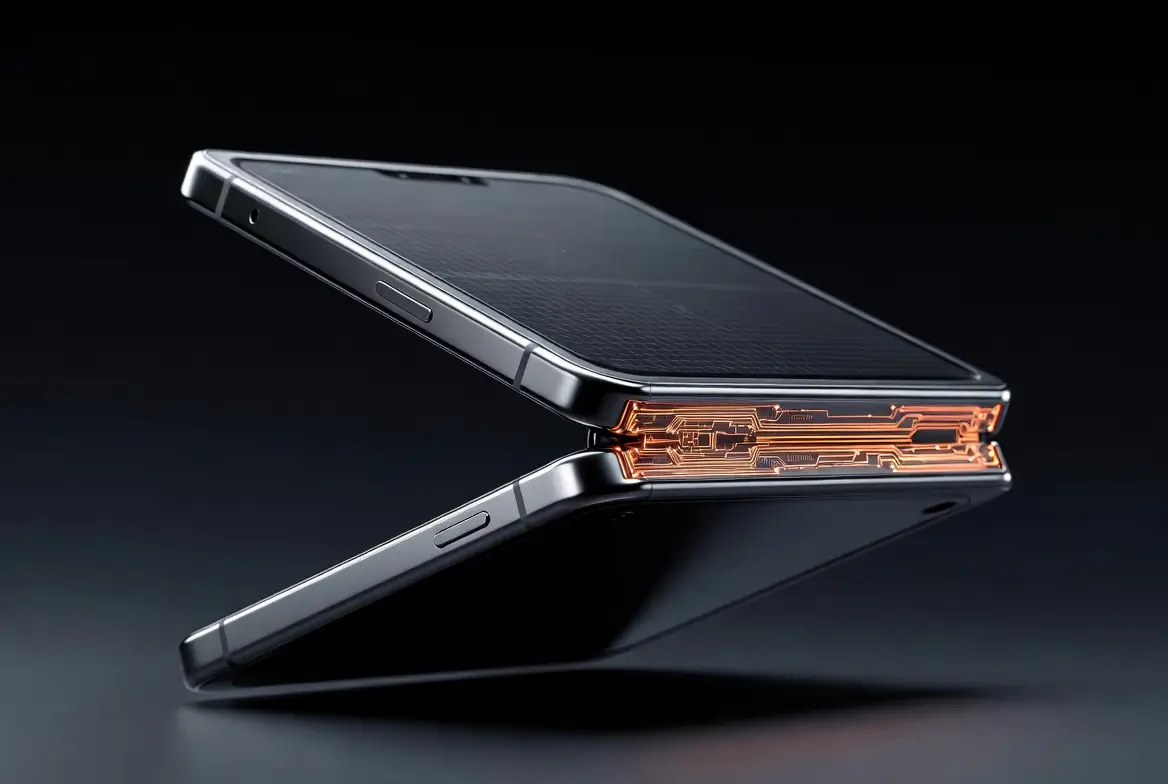
The Hinge: Liquid Metal Revolution
The criticism of every foldable today is the same: The Crease. Even the best implementations from OnePlus and Samsung leave a visible valley down the center of the screen.
Apple's solution? Liquid Metal.
Patents filed recently suggest a multi-link hinge mechanism built from a zirconium-based amorphous alloy. This material is harder than titanium but elastic enough to allow the screen to bend in a "teardrop" shape with a radius so wide that the crease is virtually invisible to the naked eye.
This connects directly to the materials science breakthrough we covered in our deep dive on Blue Origin's orbital manufacturing, where micro-gravity alloys are reshaping consumer electronics.
The Specs: A Laptop in Your Pocket
If you're paying $2,500, you expect more than just a folding screen. The leaked specs sheet reads like a wishlist for power users:
- Chipset: A20 Pro (2nm Process). This is the leap consumers have been waiting for.
- RAM: 12GB Unified Memory.
- Displays:
- Outer: 6.1" OLED (Standard iPhone width).
- Inner: 7.8" OLED (iPad Mini territory).
- Cameras: Dual 48MP system. No telephoto? Leaks suggest space constraints might kill the periscope lens.
This puts it in direct competition with the upcoming Galaxy S26 Ultra, which is rumored to lean heavily into "Agentic AI" rather than raw folding utility.
The "Passport" Form Factor
Unlike the tall and narrow Galaxy Z Fold series, Apple is reportedly opting for a "passport" aspect ratio. When closed, it feels like a standard iPhone. When opened, it’s a landscape-first tablet.
This form factor makes sense for iOS. The iPad ecosystem is already optimized for 4:3 and landscape apps, meaning the "iPhone Fold" (or iPhone Flip—marketing names are still flux) will likely run a hybrid iPadOS Lite rather than just stretched iOS.
Why 2026?
Why wait? The answer lies in the ecosystem. As we discussed in Why 2026 Is The Year of Agentic AI, the hardware is useless without the software to justify it. Apple Intelligence (AI) needs the 2nm A20 chip to run complex local models without draining the battery in 3 hours.
The Verdict
Is a $2,500 phone justifiable? In a world where phone cycles are stretching to 4-5 years, maybe. If Apple can prove Durability—the Achilles heel of foldables—users might finally bite.
For now, start saving. You have about 18 months.

HapticFeed Team
Editorial Board
The collective voice of HapticFeed. A distributed group of engineers, designers, and researchers dedicated to tracking the pulse of tomorrow's technology. We write about what matters, not just what's trending.