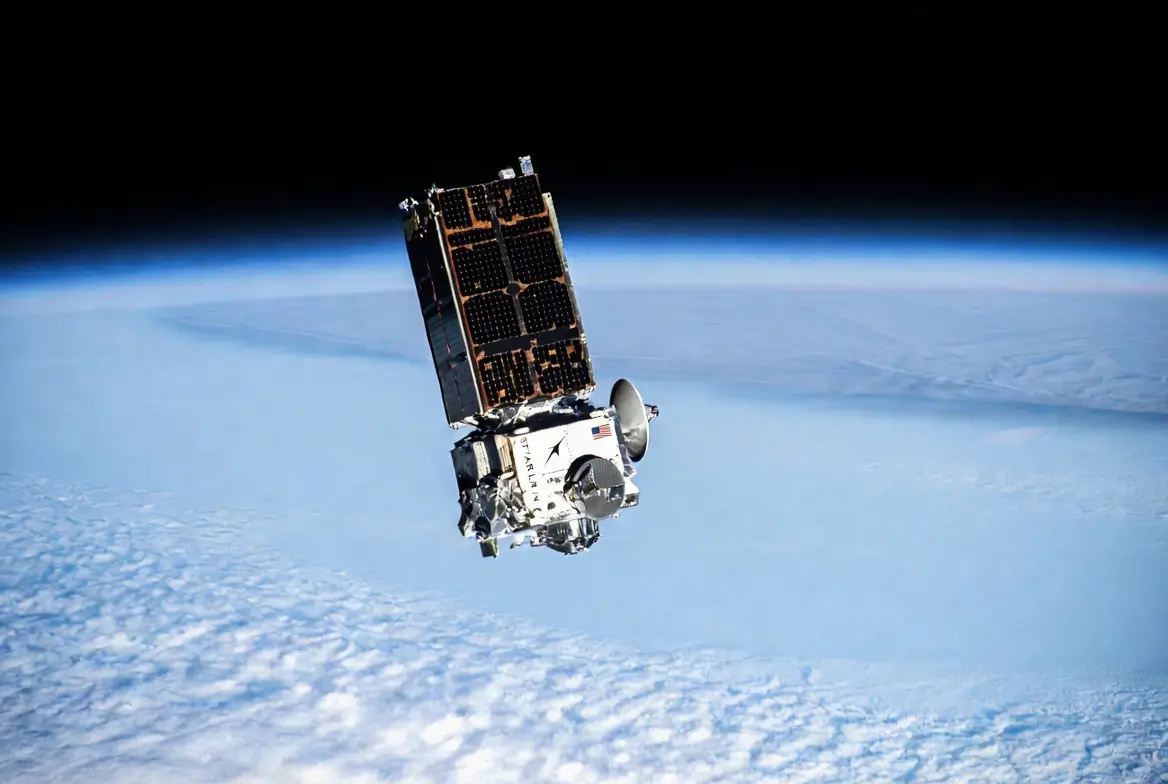
It sounded like science fiction: connecting a standard iPhone, with its tiny internal antenna, to a satellite moving 17,000 mph, 340 miles above the Earth.
But as of Q1 2026, Starlink Direct-to-Cell is live in 12 countries, and the telecom industry is scrambling.
How It Works (The Physics)
The challenge wasn't the phone; it was the satellite. Standard satellites act like mirrors. Starlink's V3 Minis act like cell towers in space. They feature massive phased-array antennas that can form tight beams, specifically listening for the faint whisper of a smartphone's LTE signal.
- No Hardware Changes: It works with the phone already in your pocket.
- Seamless Handover: You walk out of Verizon coverage, and your phone seamlessly handshakes with a satellite.
The "Everywhere" Network
For hikers, sailors, and rural communities, this is life-saving. But the real disruption is economic.
Roaming fees are essentially dead. T-Mobile (a launch partner) now offers "Global Ubiquity." Why would you ever pay $10/day for an international pass when your home carrier covers the entire planet?
The Geopolitical Firewall
The only thing stopping Starlink is borders. China, Russia, and several other nations have banned the service, citing national security (and protection of state-run telcos).
SpaceX has implemented "Geofencing from Orbit," turning off the beams when they cross specific borders. But radio waves are messy. We are already seeing reports of "signal spillover" in border regions, creating a new kind of digital smuggling.
What's Next?
Right now, it's text and low-bandwidth voice. By 2027, with the full deployment of Starship-launched V4 satellites, we expect streaming video.
The cell tower is no longer on a hill. It's in orbit.
See also: SpaceX Orbital Data Center, Blue Origin TeraWave

HapticFeed Team
Editorial Board
The collective voice of HapticFeed. A distributed group of engineers, designers, and researchers dedicated to tracking the pulse of tomorrow's technology. We write about what matters, not just what's trending.