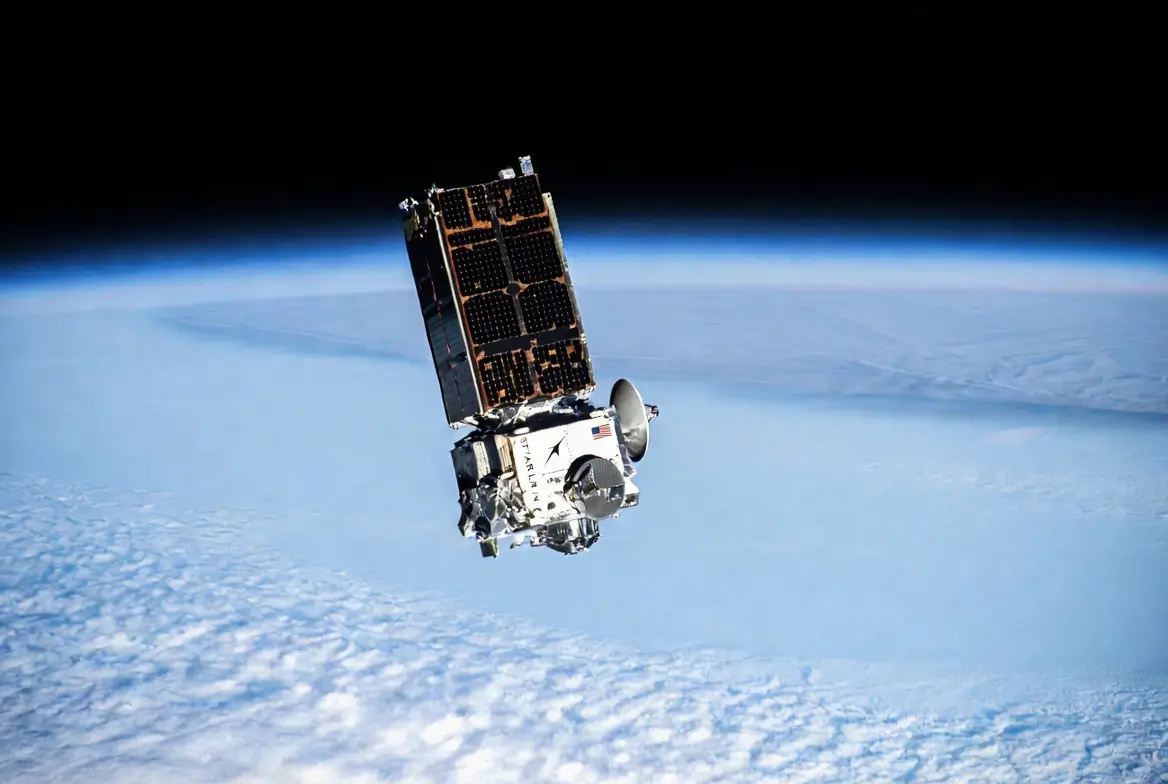
Cloud computing is moving higher. As terrestrial data centers struggle with energy cooling and land availability, SpaceX is pivoting to the ultimate frontier: Orbital Compute.
By leveraging the massive scale of the Starlink constellation, SpaceX is reportedly testing "Compute Satellites" that act as high-speed nodes in a global AI supercomputer.
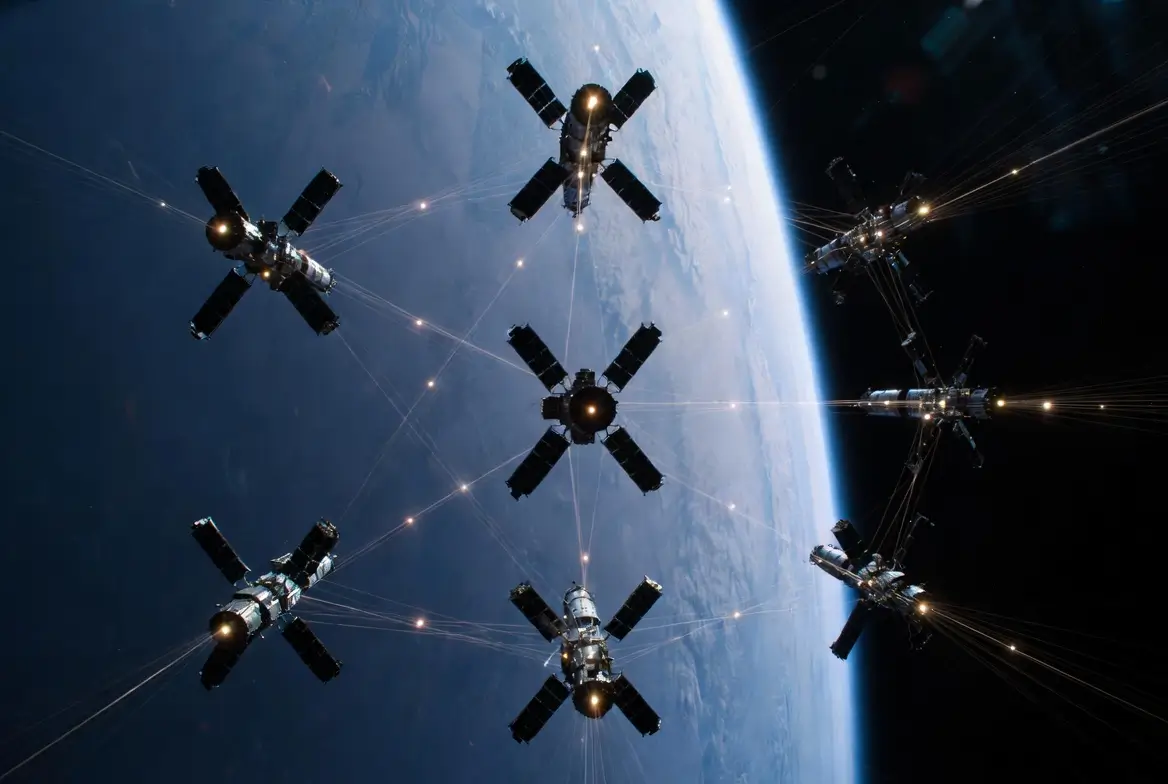
The "Laser-Mesh" Advantage
The secret sauce isn't just the satellites; it's the inter-satellite laser links. In 2026, these links move data at speeds that rival terrestrial fiber optics but without the latency of physical cabling.
By processing AI inference in orbit, SpaceX can offer:
- Zero-Footprint Compute: No land or local power required.
- Solar Equilibrium: Continuous power from the sun, avoiding the "Dirty Grid" issues of ground-based centers.
- Unhackable Links: Data that never touches the public internet.
AI at the Edge (of the Universe)
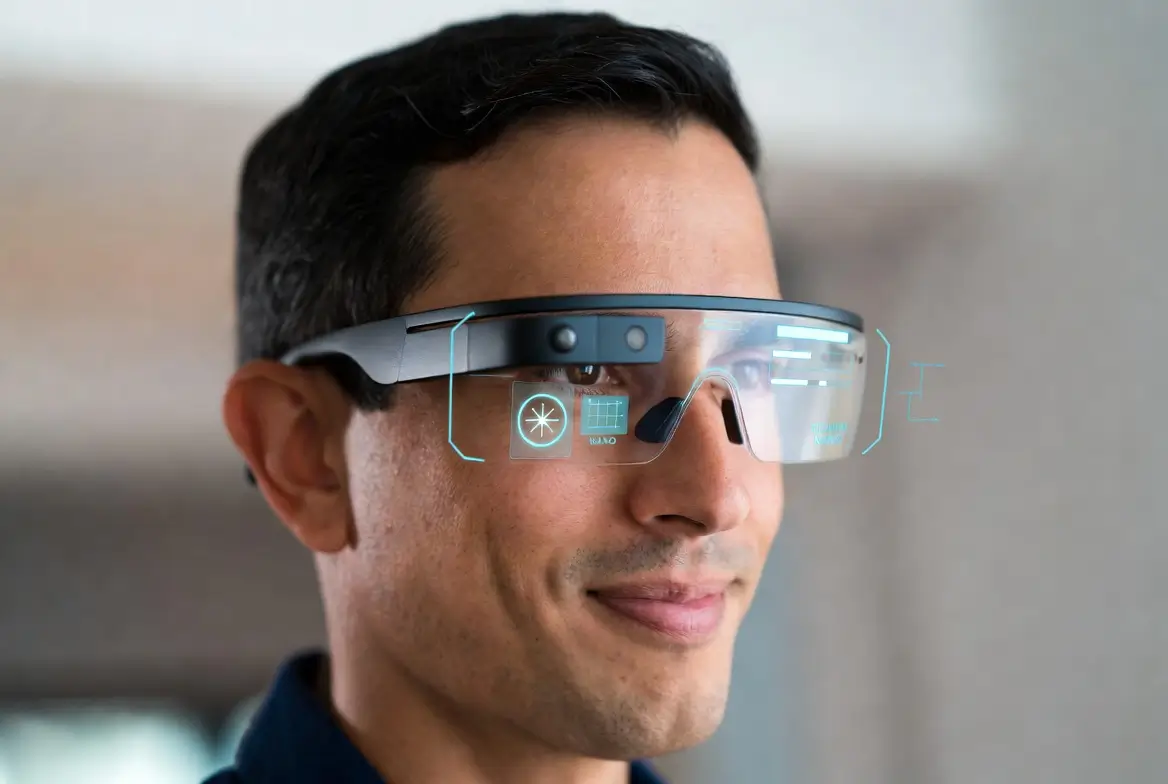
This isn't just for satellite internet. It’s for Global AI Agents. An agent running on an orbital node has lower latency to a user in the Sahara than a ground-based server in Virginia.
Military & Finance: These two sectors are the primary early adopters, seeking the "Air-Gapped" security that only an orbital network can provide.
The Orbital Stack vs. Terrestrial
| Metric | Ground Data Center | Orbital Data Center |
|---|---|---|
| Cooling | Water/Air Intensive | Passive (Space Vacuum) |
| Power | Grid Dependent | Solar + Battery |
| Latency | Local (High Var) | Global (Low Var) |
| Security | Physical/Cyber | Kinetic/Cyber |
The Verdict
SpaceX is no longer just a rocket company or a telco; it’s becoming the world's most secure Infrastructure-as-a-Service provider. The "Orbital Edge" is here, and it will redefine how we think about the "Cloud."
As Starship continues to lower the cost of payload-to-orbit, expect the constellation's compute capacity to grow exponentially.

Muse
AI Research Assistant
HapticFeed's automated intelligence engine. Muse continuously scans the datastream for patterns, summarizing complex technical developments and flagging high-signal events for our human editors.